
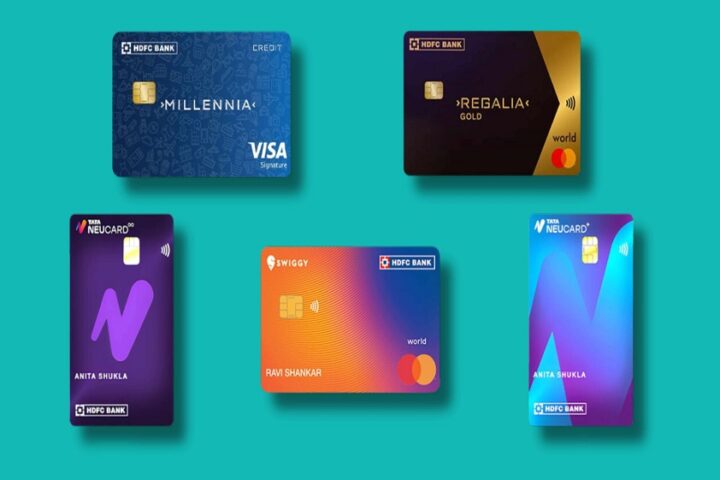
Managing multiple credit cards can make everyday spending more convenient, but it can also become stressful when different payment due dates begin to overlap. Missing even one payment may bring late fees, interest charges, and extra pressure on monthly finances. As more cards are used, tracking billing cycles and balances becomes harder.
Even the best credit card needs a simple repayment plan, and the right routine can make every due date easier to manage. Here is how to keep each payment on track without making the process complicated.
Track Due Dates and Payment Reminders
The first step is to keep every due date in one place. Note the bill date, payment due date, total amount due, and minimum amount due for each card. This record shows which payment needs attention first.
Read More: How Fundamental Analysis Helps You Choose Winning Indian Stocks
A calendar, notebook, or spreadsheet can work well if it is checked often. Set reminders a few days before the due date, not only on the last day. This gives time to arrange funds and avoid rushed payments.
Use Mobile Banking and Credit Card App Alerts
Mobile banking and credit card apps can help cardholders follow bills more closely. Payment alerts, statement alerts, and spending alerts can give useful reminders during the month. Keep SMS, email, and app notifications active where available.
Prioritise High-Interest Debt Repayment
When more than one card has an unpaid balance, repayment order matters. Check which card carries the higher interest cost. Paying extra towards that balance can help reduce pressure from growing dues.
This does not mean ignoring the other cards. At least the minimum amount should be paid on each active card before the due date. Any extra amount can then go towards the costlier balance in a planned way.
Automate Credit Card Payments Carefully
Auto-payment can be useful for people who often forget due dates. It allows the bill amount to be paid from a linked bank account on a fixed date. However, it needs enough money in that account.
Read More: Why Investors Are Excited About the Meesho IPO and ICICI Prudential AMC IPO in 2025
Before setting up auto-payment, choose the amount carefully. Some cardholders may select the total due amount, while others may select the minimum amount for safety. Users of AU Small Finance Bank credit cards may review payment settings through official digital channels before choosing an option.
Review Statements and Spending Regularly
A credit card statement should be checked every month before making a payment. It shows purchases, fees, charges, refunds, and many previous payments. Reading it properly helps cardholders understand the exact amount to pay.
Regular checking also improves spending control. Regular spending on food, shopping, fuel, travel, and subscriptions should be reviewed together, as it gives a clear picture of how much is being used across different cards.
Build a Monthly Credit Card Payment Routine
A fixed monthly routine makes credit card management simpler. Choose a day each week to check card balances, upcoming due dates, and available bank funds. This habit keeps payments visible before they become urgent.
It also helps to limit card use to clear purposes. One card may be used for bills, another for travel, and another for planned purchases. If a loan on a credit card is active, include its repayment in the same monthly routine.
Conclusion
Managing multiple credit card payments becomes easier when there is a clear routine. Track due dates, use alerts, check statements, plan repayments, and automate payments only after reviewing account balances. These simple steps can reduce confusion and support better money control. Credit cards should be managed with care, not guesswork, so every payment stays visible, planned, and on time without adding stress to the monthly budget throughout each billing cycle.